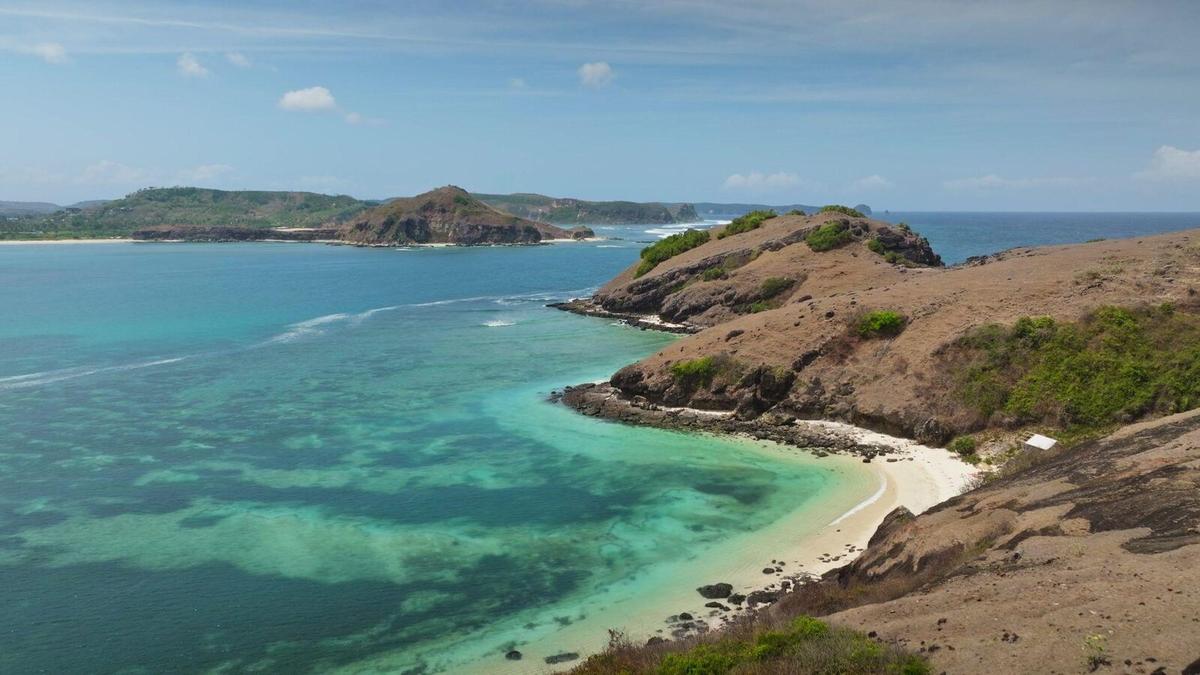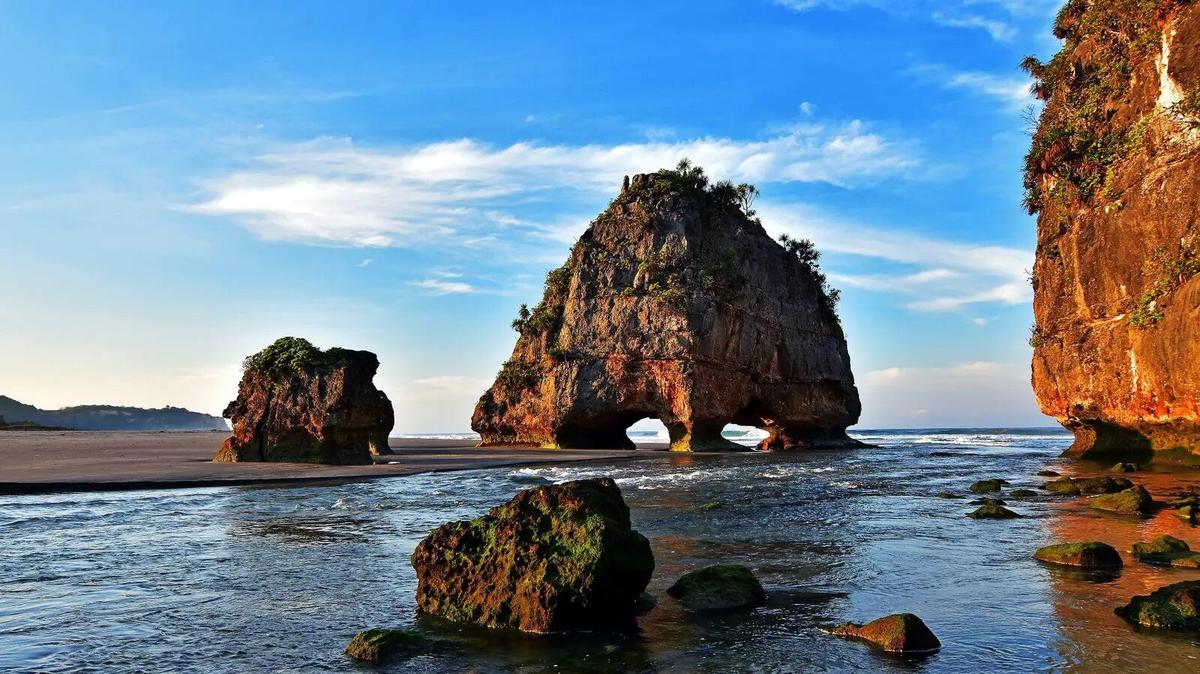
When people talk about real estate development, the conversation often begins with buildings. The number of villas, the size of the land, the architecture, and the amenities. While these elements are important, they only tell part of the story.

The most successful tourism destinations in the world were not created because someone built a collection of properties. They became successful because an entire ecosystem emerged around them.
Visitors do not travel somewhere simply because a villa exists. They travel because a destination offers experiences, culture, hospitality, accessibility, and a sense of place that cannot be found elsewhere.
This distinction is important because it changes how long-term value is created. Properties can be built relatively quickly, but destinations take years to develop.
A Property Exists Within A Larger Story
Every successful destination tells a story that extends far beyond individual developments. Visitors rarely remember a trip because of a building alone. They remember how a destination made them feel.
They remember the local culture they experienced, the restaurants they discovered, the landscapes they explored, and the people they met along the way. The accommodation becomes one part of a much larger experience.
This is why the strongest property investments are often located within destinations that continue evolving and improving over time. As visitor experiences become richer, demand grows stronger. As demand grows stronger, businesses gain confidence to invest. As investment increases, the destination becomes more attractive to future visitors.
The result is a cycle that supports both tourism growth and property value creation.
What Makes A Destination Successful?
There is no single formula for creating a successful destination. Every location has its own identity, strengths, and opportunities. However, the destinations that continue attracting visitors year after year often share several characteristics. They offer more than one reason to visit.
A beautiful beach may attract attention initially, but visitors are more likely to return when a destination provides a combination of experiences. This may include wellness, culture, food, adventure, surfing, nature, community events, or unique local traditions. The stronger and more diverse these experiences become, the more resilient the destination becomes over time. Destinations that rely on a single attraction often face greater challenges maintaining long-term momentum.
Those that offer multiple layers of discovery tend to create stronger and more sustainable demand.

Infrastructure Creates The Foundation
No destination develops in isolation. Behind every successful tourism market is a network of infrastructure that supports growth. Airports make destinations accessible, roads improve connectivity, utilities support businesses and communities, and digital infrastructure allows travelers to remain connected.
These improvements may not generate the same excitement as a new resort opening or a luxury villa launch, but they often play a larger role in determining how a destination evolves, infrastructure creates confidence, confidence encourages investment, investment accelerates growth. The process often unfolds gradually, but over time it can reshape an entire region.
Many of today's most established tourism destinations were once considered remote or overlooked. Their transformation was supported not only by natural beauty, but by years of infrastructure development that improved accessibility and strengthened the visitor experience.
Hospitality Shapes Reputation
Even the most beautiful destination can struggle if visitors leave disappointed. Hospitality plays a critical role in shaping how destinations are perceived. Every guest interaction contributes to a destination's reputation. A memorable stay leads to positive reviews. Positive reviews encourage future bookings. Future bookings support local businesses and tourism operators. Over time, these experiences become part of the destination's identity.
This is why hospitality should not be viewed as a separate industry from real estate development. The two are closely connected. The quality of hospitality often influences how visitors perceive a destination as a whole. When hospitality standards improve, destination appeal often improves alongside them.
Growth Requires Balance
One of the challenges facing many tourism destinations is managing growth responsibly.
Rapid development can create economic opportunities, but it can also place pressure on local communities, infrastructure, and natural environments. Long-term success depends on maintaining balance.
The qualities that attract visitors in the first place must be protected as destinations evolve. Natural landscapes, cultural heritage, local communities, and environmental resources all contribute to the character of a place.
When development enhances these qualities rather than replacing them, destinations are often better positioned for sustainable growth. The goal should not simply be growth for its own sake. The goal should be creating destinations that remain attractive, authentic, and valuable for decades to come.

Looking Beyond The Individual Project
For investors, it is often tempting to evaluate a project on its own. The location appears attractive, the design looks impressive, and the investment case seems compelling. These factors matter. But some of the most important questions exist beyond the project's boundaries.
- What is happening in the surrounding area?
- How is tourism evolving?
- What infrastructure improvements are underway?
- How are hospitality standards developing?
- What experiences are drawing visitors to the destination?
The answers to these questions often provide deeper insight into long-term potential than the property itself. A successful investment is rarely shaped by a single building, it is influenced by the strength of the destination surrounding it.
The Future Belongs To Destinations
As global travel continues to evolve, visitors are increasingly seeking experiences rather than simply accommodation. They want places that feel distinctive, places with character, places with stories worth discovering.
This shift creates opportunities for destinations that can offer something meaningful beyond physical infrastructure alone. For developers, operators, and investors alike, the lesson is clear. Buildings matter but destinations matter more. Properties can create value but destinations create ecosystems. And over time, it is often those ecosystems that become the foundation for lasting growth, enduring demand, and meaningful long-term investment opportunities.