Not every destination grows in the same way. Some locations develop rapidly, driven by large-scale tourism infrastructure and international attention. Others grow more gradually, attracting visitors through reputation, word of mouth, and a strong connection to the experiences travelers are seeking. Mawi, located on Lombok's southern coastline, belongs firmly to the second category.
For years, the area has attracted surfers, adventure travelers, and visitors looking for a different side of Indonesia. While it may not have the global recognition of some of the country's more established destinations, it has steadily built a reputation among travelers who value natural beauty, outdoor lifestyles, and a slower pace of development.
Today, that reputation is beginning to attract attention beyond the travel community. Increasingly, investors are also taking notice.
The Appeal of Places That Feel Authentic
One of the challenges facing many mature tourism destinations is maintaining the qualities that made them attractive in the first place. As visitor numbers increase, destinations often become busier, more commercialized, and more densely developed.
For some travelers, this is a natural part of growth. For others, it creates a desire to explore destinations that still feel connected to their natural surroundings. This shift has contributed to growing interest in locations like Mawi.
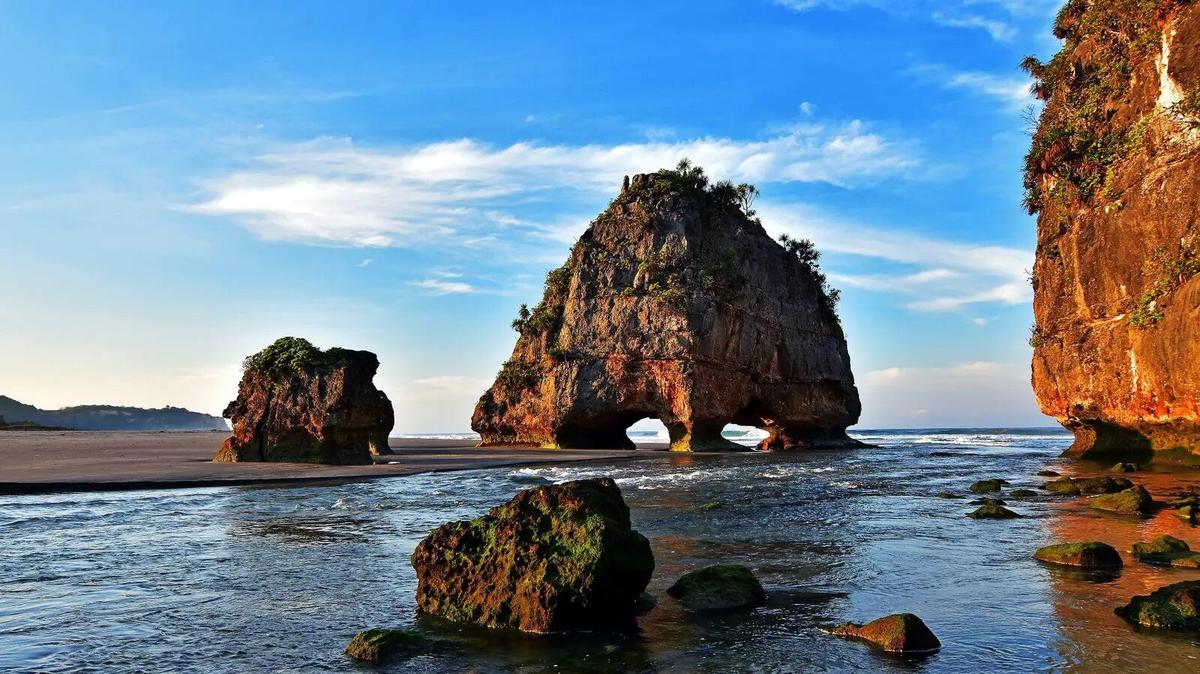
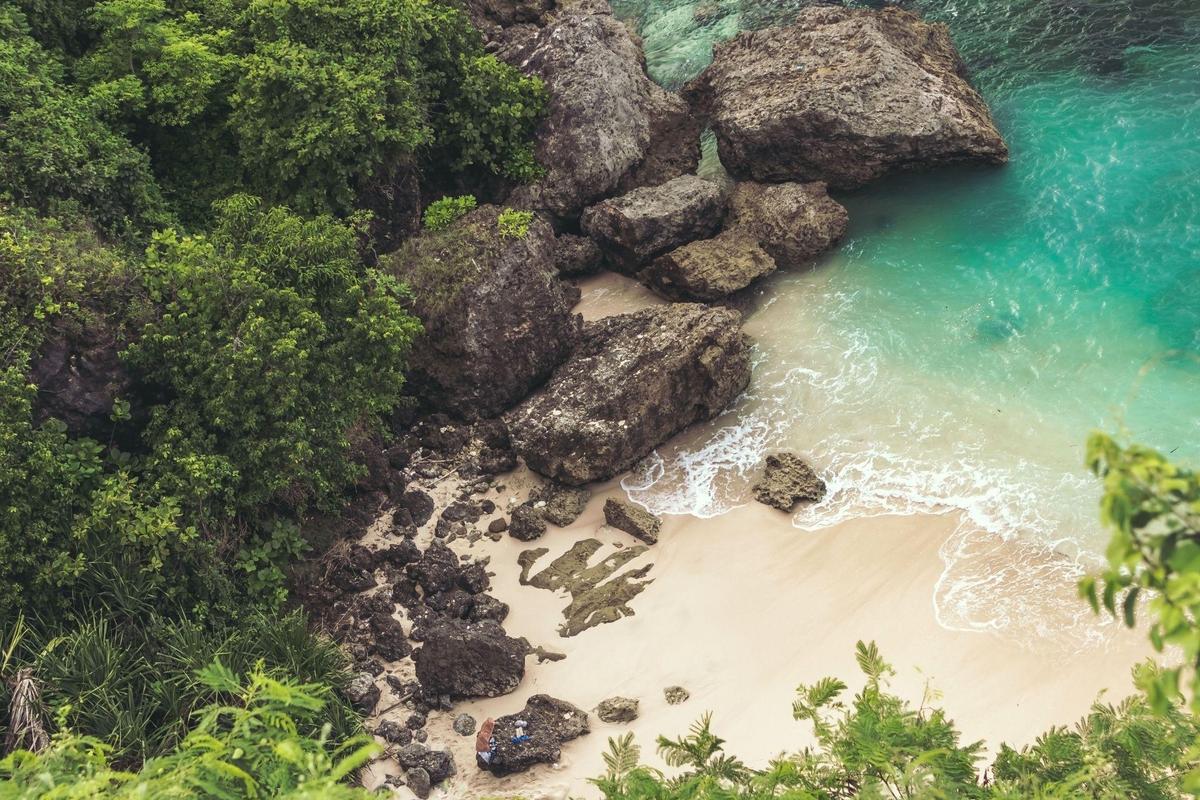
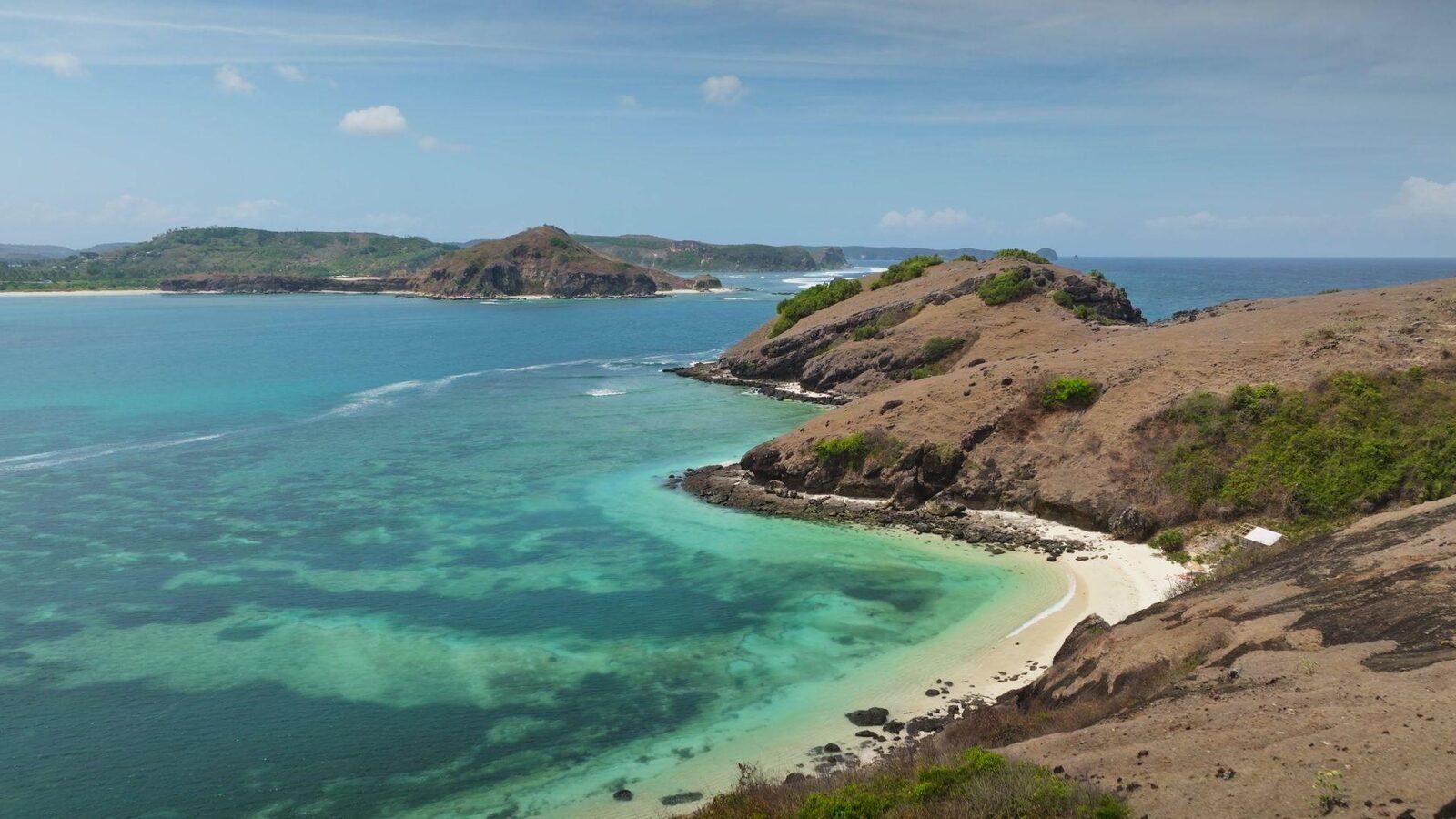
Visitors are often drawn to the area's dramatic coastline, surf culture, and relatively undeveloped landscape. The appeal is not based on nightlife, large commercial districts, or dense tourism infrastructure. Instead, it comes from a feeling of openness and connection to the environment. As travel preferences continue evolving, these qualities are becoming increasingly valuable.
Surf Tourism Has Helped Shape the Area

Across the world, surf destinations have often played an important role in tourism development.
Unlike traditional tourism hubs, surf destinations frequently build their reputations gradually. Travelers discover them through communities, recommendations, and shared experiences rather than large marketing campaigns. Mawi has benefited from this pattern.
For many visitors, surfing serves as the introduction to the area. Over time, however, destinations that begin with surf tourism often attract a broader audience. Friends and families travel alongside surfers. Hospitality businesses expand. Restaurants, wellness experiences, and supporting services begin to emerge.
What starts as a niche travel market can evolve into a more diverse tourism ecosystem. This gradual progression is one reason why surf destinations often attract long-term investor interest.
Accessibility Continues to Improve
Natural beauty alone is rarely enough to support sustainable tourism growth. Accessibility remains a critical factor.
Over the past decade, Lombok has benefited from continued infrastructure improvements that have made the island more accessible to both domestic and international travelers. As connectivity improves, destinations across the island become easier to reach and more attractive to a wider audience.
For investors, this matters because tourism demand is closely linked to convenience. Travelers may seek remote experiences, but they still want destinations that are reasonably accessible. The balance between accessibility and authenticity is often one of the factors that influences how tourism markets evolve over time.
Investors Are Looking Beyond Established Markets
The property market has also undergone significant changes in recent years. Many investors are becoming more selective about where they allocate capital. Rather than focusing exclusively on mature markets, there is growing interest in destinations that may still be in earlier stages of development.
This does not mean investors are simply searching for the next tourism hotspot. Instead, many are looking for destinations where long-term growth is supported by strong fundamentals. Tourism demand, infrastructure, natural appeal, limited supply, hospitality potential. These factors often play a larger role in long-term performance than short-term market excitement.
Destinations like Mawi are attracting attention because they offer a combination of these characteristics while still retaining much of the identity that makes them distinctive.
Growth Without Losing Identity
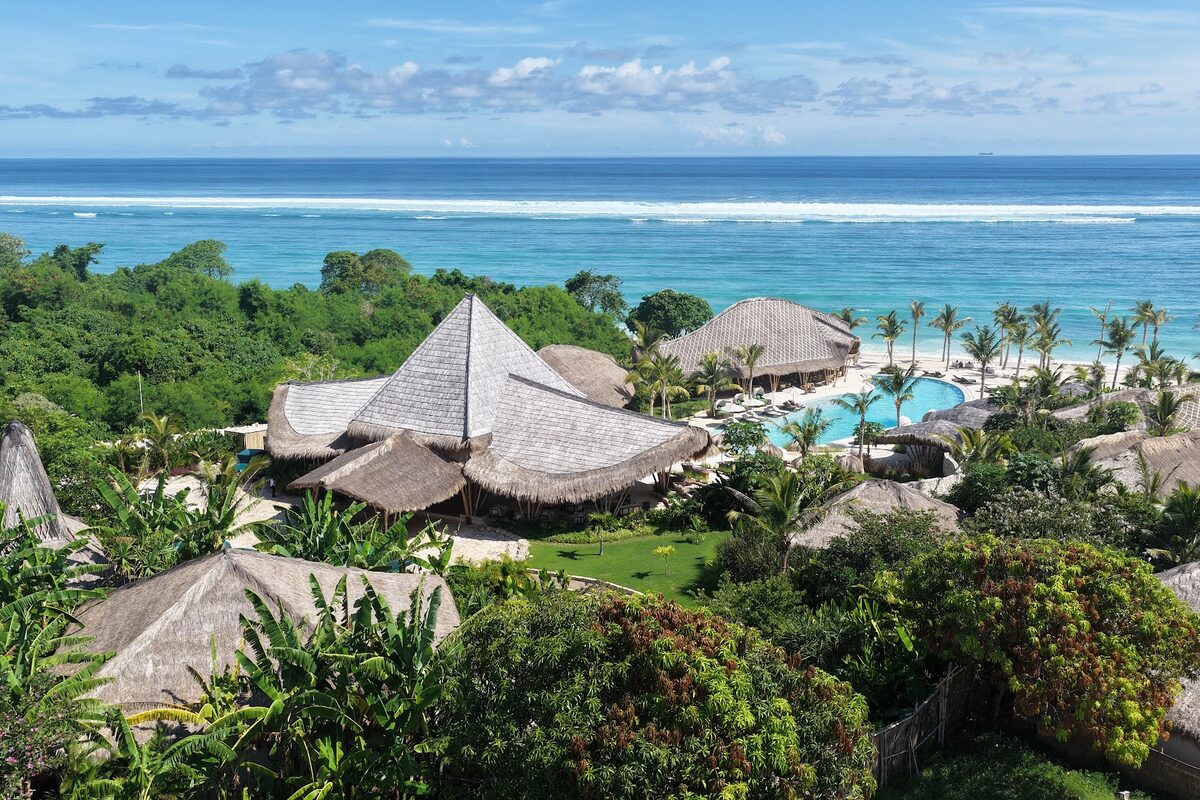
One of the most important questions facing any emerging destination is how growth will be managed. Tourism creates opportunities for investment, employment, and economic development. At the same time, the qualities that attract visitors must be protected if a destination is to maintain its long-term appeal.
The challenge is not simply encouraging growth. The challenge is encouraging the right kind of growth. Development that respects the surrounding environment, complements the character of the area, and contributes positively to the visitor experience often creates stronger outcomes over time.
Destinations that maintain this balance are frequently the ones that continue attracting travelers long after the initial wave of attention has passed.
Why Mawi Remains Worth Watching
No one can predict exactly how a destination will evolve over the coming decade. Tourism markets are influenced by infrastructure, economic conditions, traveler behavior, and countless other variables. What can be observed, however, are the factors that consistently contribute to long-term destination growth.
Mawi continues to attract attention because it offers a combination of natural beauty, lifestyle appeal, improving accessibility, and a tourism identity that feels distinct within the Indonesian market. For travelers, that creates memorable experiences. For investors, it creates an opportunity to follow a destination that is still writing its story. And often, those are the destinations worth paying attention to most.