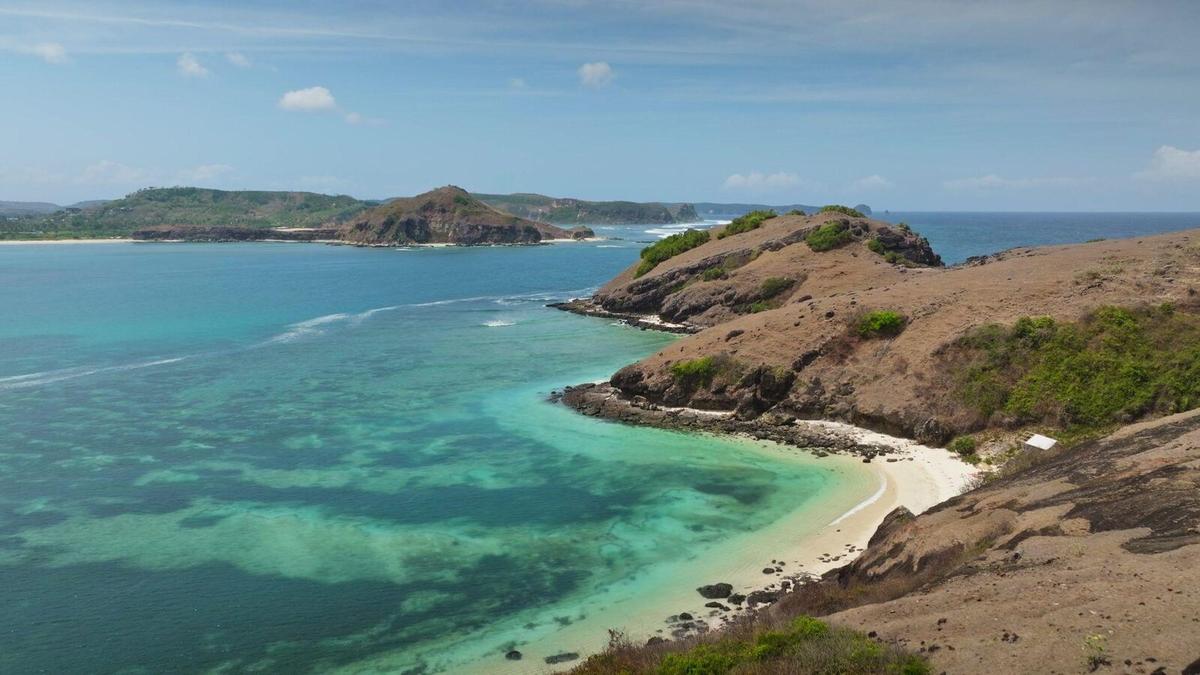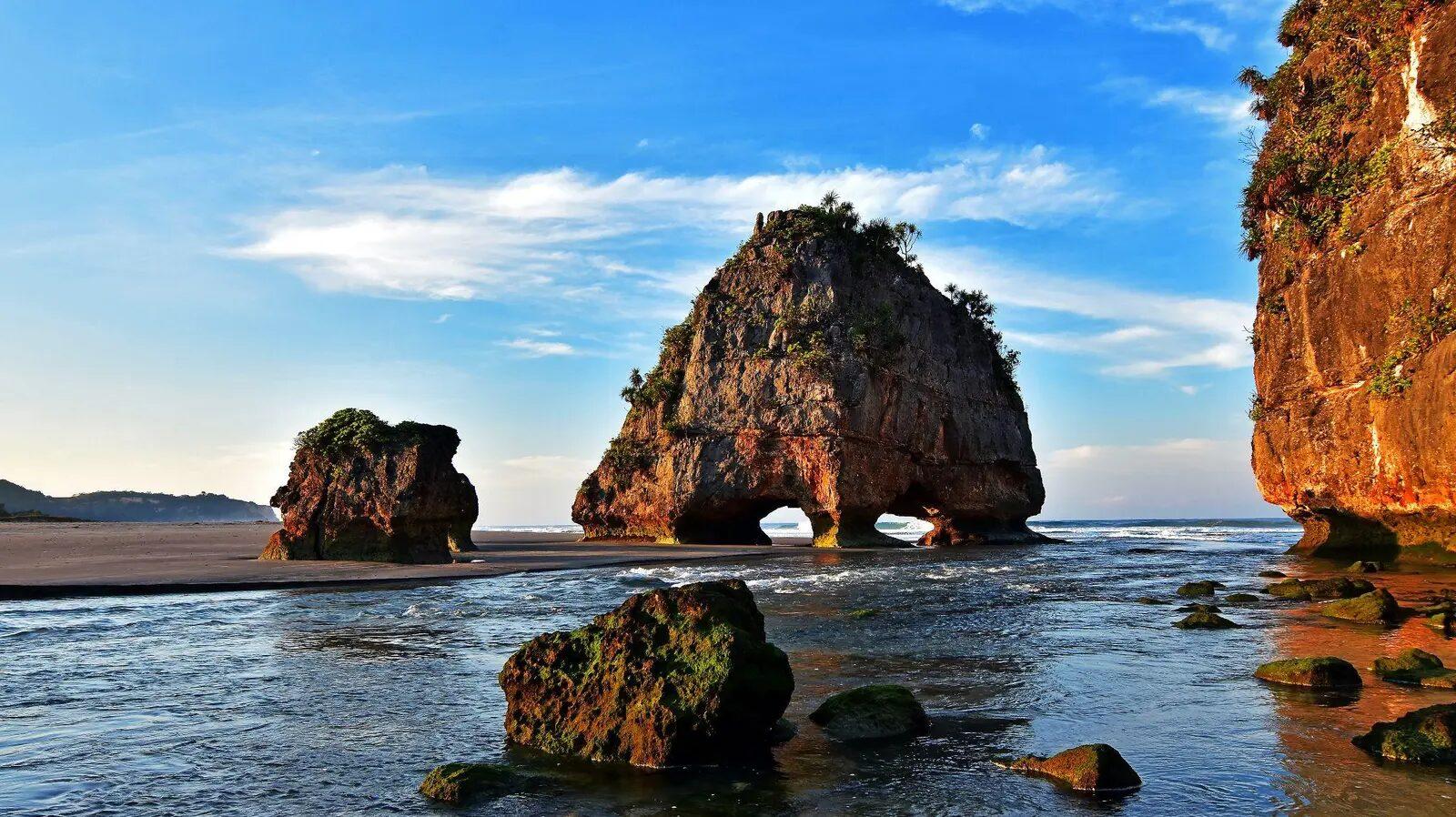
Sumba is the kind of destination that rewards curiosity.
Many first-time visitors arrive knowing about its wild beaches, traditional villages, horses, and rolling hills. But once you start exploring the island, you quickly realise there is much more between the places that usually appear in travel photographs.
Freshwater pools appear between rice fields. Small beaches hide behind limestone cliffs. Traditional villages sit within landscapes that have changed remarkably little, while waterfalls require a little more effort to reach.
And because Sumba is a large island, trying to see everything in a few days can mean spending more time in the car than actually experiencing it.
If you're planning your first trip, these seven places are worth slowing down for.
1. Weekuri Lagoon
On the western side of Sumba, Weekuri Lagoon is one of those places that looks almost too clear to be real.
The saltwater lagoon is separated from the Indian Ocean by a rocky barrier, creating calm turquoise water in contrast to the powerful ocean just beyond it. Visitors can swim in the lagoon or walk up to the viewing area for a wider look across the water and surrounding coastline.
It is no longer exactly a secret, but it remains one of the natural places that makes Southwest Sumba feel completely different from Indonesia's more conventional beach destinations.
Weekuri also works particularly well as part of a day exploring western Sumba, especially when combined with Mandorak Beach and Ratenggaro Village.
2. Weekacura
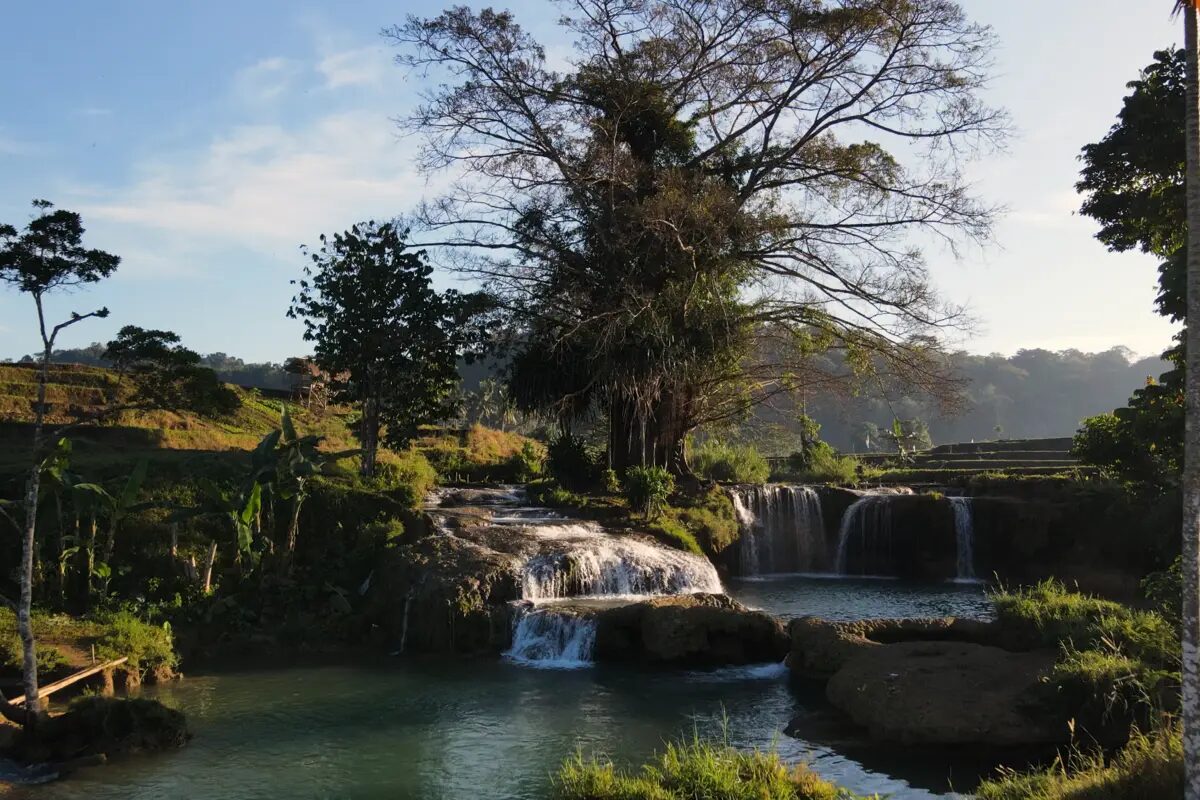
Not every memorable Sumba experience happens on the coast.
Weekacura offers a completely different landscape: freshwater flowing through green rice fields, with natural pools where visitors can stop, swim, and enjoy the surrounding countryside.
The Southwest Sumba tourism office includes the Weekacura River alongside Waikelo Sawah and Prai Ijing Village in its local itinerary, making the area particularly easy to incorporate into a day focused on Sumba's inland landscapes.
What makes Weekacura especially interesting is the contrast.
Sumba is famous for dry savannah, dramatic coastlines, and powerful ocean scenery. Here, the landscape becomes greener, softer, and closely connected to agricultural life.
It shows a side of the island that many first-time visitors don't expect to find.
For us at ARYA Properties, that contrast was also part of what made the area worth paying attention to and eventually became the setting for ARYA Sumba – Weekacura.
3. Mandorak Beach
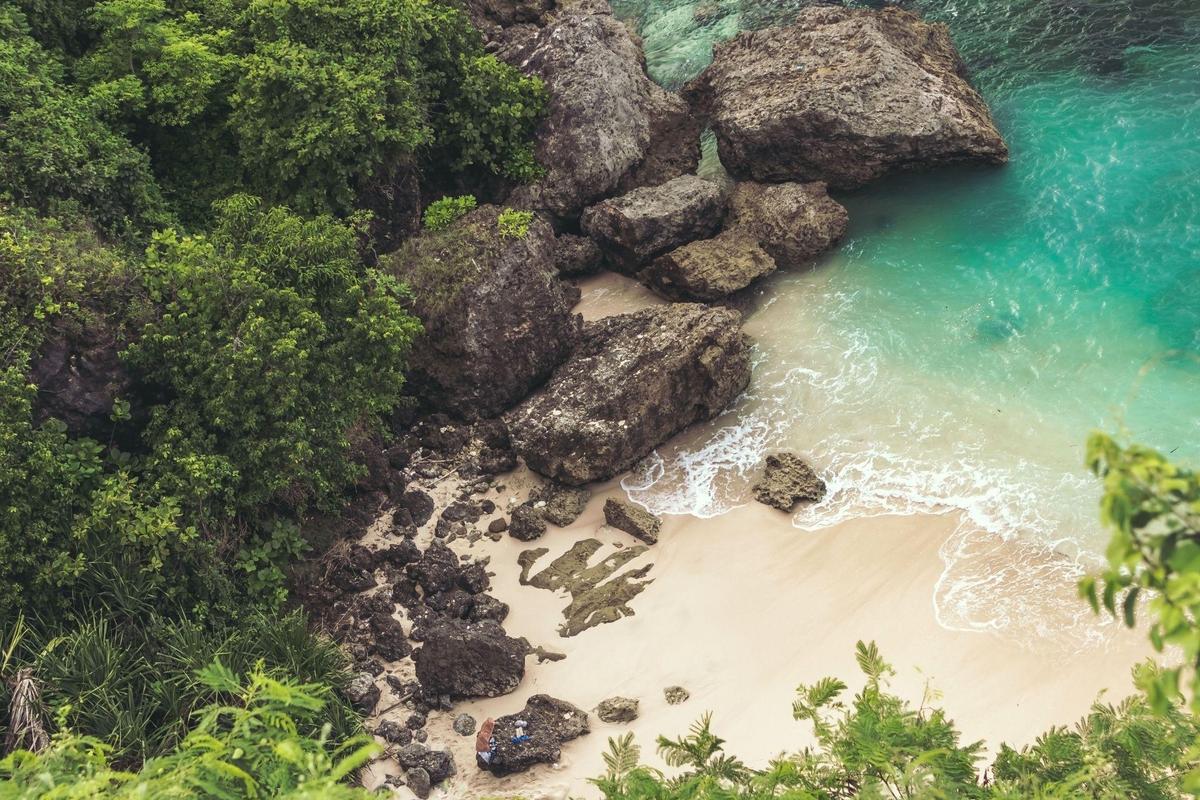
If you prefer small beaches to long stretches of coastline, Mandorak deserves a stop.
The beach sits between dramatic limestone formations, creating a compact cove where white sand meets the open ocean. Its location also makes it easy to combine with Weekuri Lagoon during the same day of exploring Southwest Sumba.
Rather than planning an entire day here, Mandorak is the kind of place worth including as part of a slower coastal route.
Bring water, give yourself time to walk around, and don't rush straight back to the car after taking a photograph.
4. Ratenggaro Traditional Village
Sumba's landscape is only part of what makes the island remarkable. Its traditional villages provide another perspective entirely.
Ratenggaro is particularly distinctive for its tall thatched-roof houses and megalithic tombs, with the village sitting close to the coastline in Southwest Sumba. The settlement remains an important place for experiencing the architectural and cultural traditions that continue to shape Sumbanese identity.
When visiting, remember that this isn't simply an attraction created for travelers. It is a living community.
Visit respectfully, follow local guidance, ask before photographing people, and take the opportunity to learn about the traditions behind what you're seeing rather than treating the village as only a photo stop.
5. Lapopu Waterfall
For travelers who want to explore deeper inland, Lapopu Waterfall offers one of West Sumba's most impressive natural experiences.
Located within the Manupeu Tanah Daru area, the waterfall flows over multiple levels surrounded by forest. Reaching it involves continuing on foot after the drive, making the journey itself part of the experience.
This is where Sumba starts to feel very different from the images of beaches and savannah that dominate social media.
The landscape becomes greener and denser, revealing just how geographically diverse the island really is.
6. Tanggedu Waterfall
If your trip takes you all the way across to East Sumba, Tanggedu Waterfall deserves a place on the itinerary.
The area is known for clear water flowing between distinctive limestone formations, creating a canyon-like landscape that looks dramatically different from the waterfalls found in western Sumba. Indonesia's official tourism portal highlights Tanggedu among East Sumba's natural attractions.
Getting there requires more effort than visiting many of Sumba's roadside attractions, so this isn't a place to squeeze casually between several other stops.
Give it time. The journey is part of what makes reaching places like Tanggedu feel rewarding.
7. Wairinding Hill
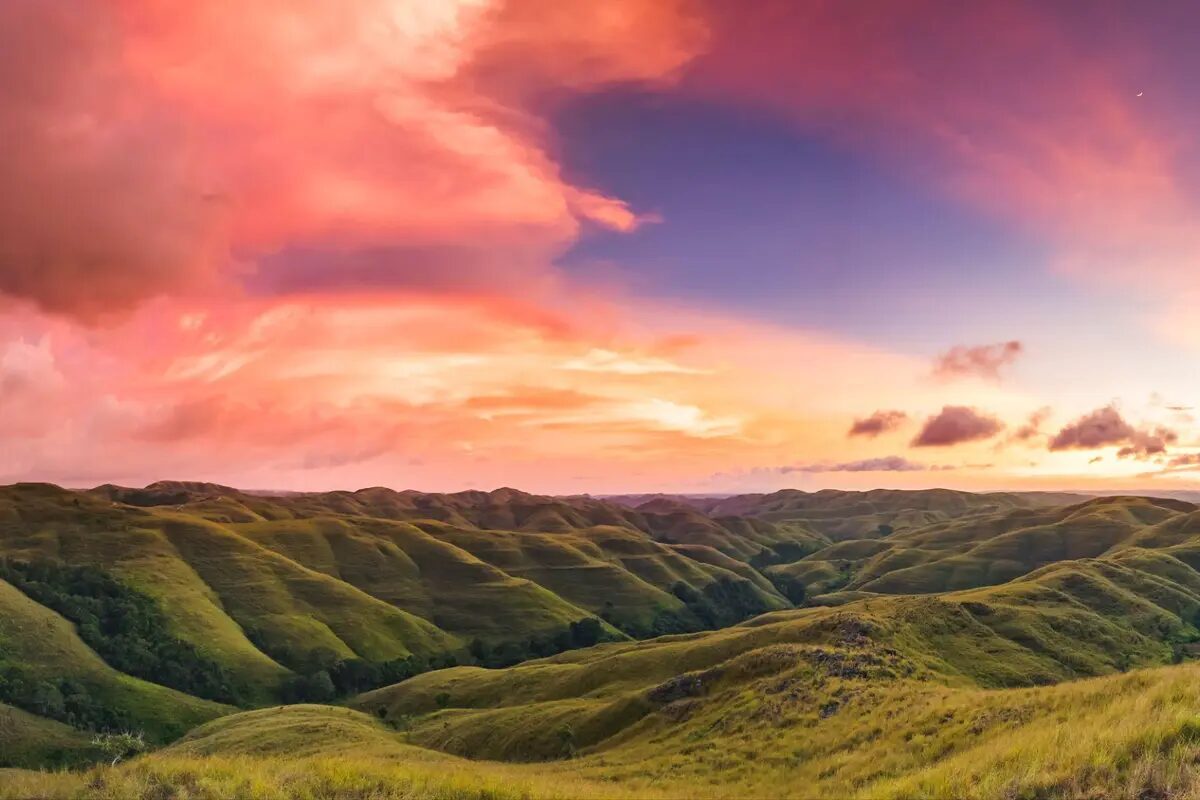
Sometimes the best way to understand Sumba is simply to see how much space surrounds you.
Wairinding Hill in East Sumba offers wide views across the island's characteristic rolling landscape. Depending on the season, the hills can shift from green to warm brown, giving the same location a completely different appearance throughout the year.
There isn't necessarily a long list of things to do here and that's precisely the point.
Come for the view, spend some time walking around, and experience the scale of the landscape without needing to turn every stop into an activity.
Don't Try to See Sumba Too Quickly
One of the biggest mistakes first-time visitors can make is underestimating the size of the island.
Sumba is not a destination where seven places should necessarily become seven boxes to tick in two days.
A current 2026 itinerary covering both East and West Sumba recommends roughly a week to experience the island more comprehensively, with substantial travel between regions.
If you have limited time, choose one part of the island and explore it properly.
Southwest and West Sumba combine lagoons, beaches, traditional villages, waterfalls, and inland landscapes. East Sumba offers its own combination of savannah, waterfalls, beaches, and cultural experiences.
Whichever direction you choose, leave room in the itinerary for the places you didn't plan to find. Those often become the best part of a trip to Sumba.
Discover More of Sumba With ARYA Properties
From the beachfront landscapes of Kodi to the rice fields and freshwater surroundings of Weekacura, our developments offer two very different ways to experience Sumba.
Explore ARYA Sumba – Kodi and ARYA Sumba – Weekacura to discover our property opportunities across the island.