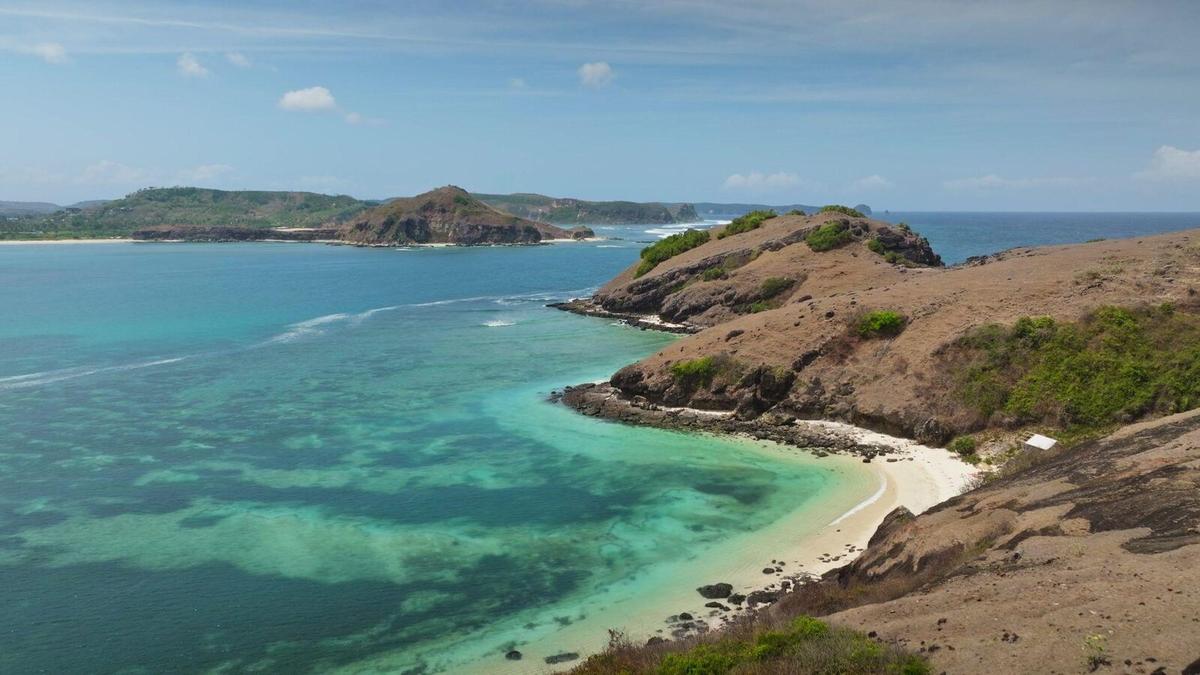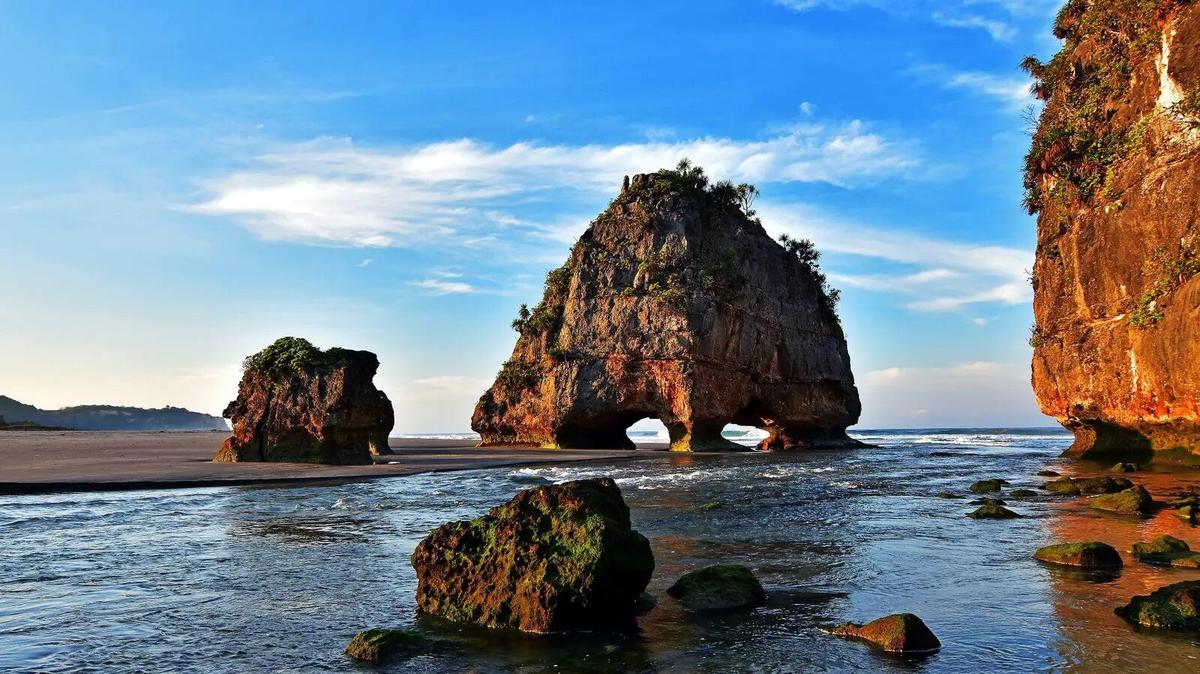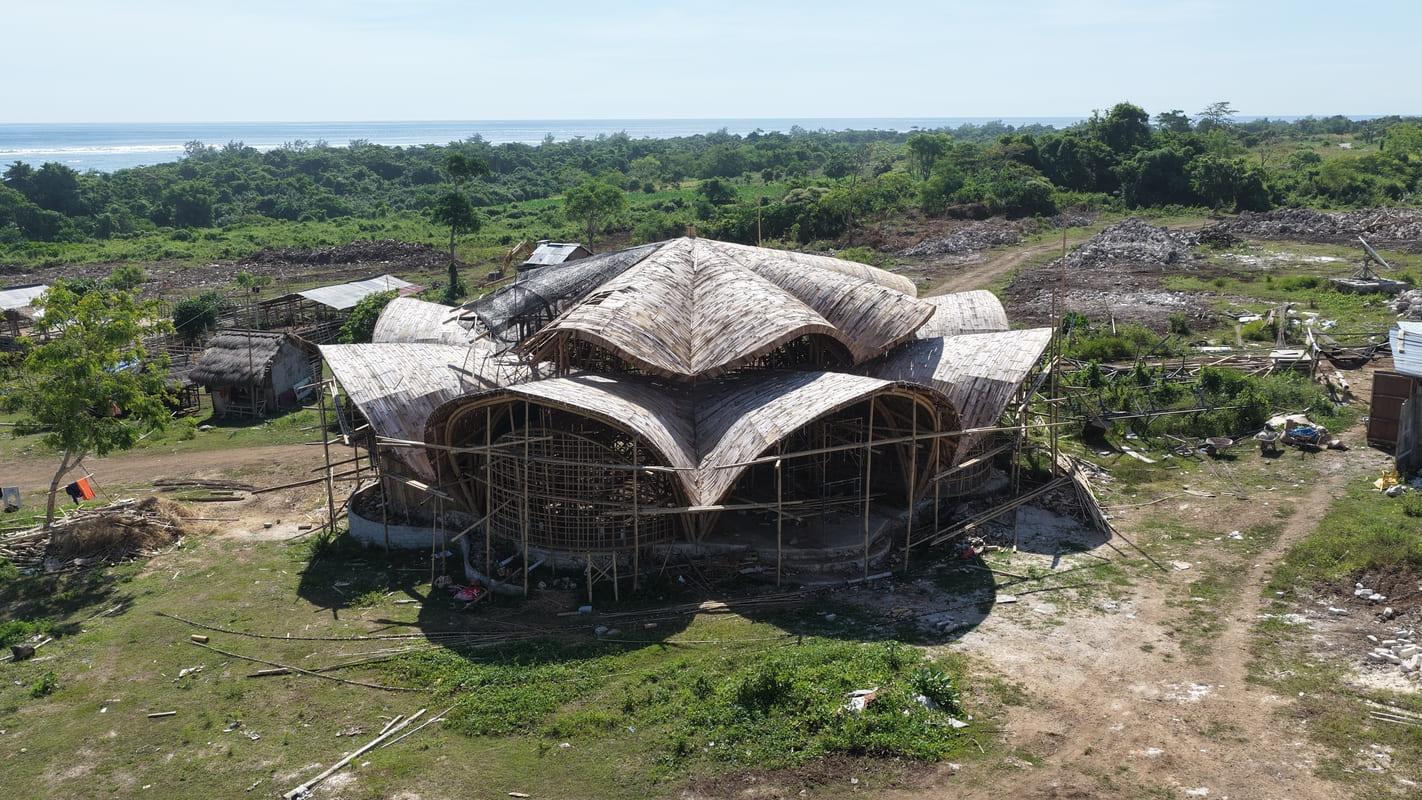
When people think about property development, they often focus on the finished product. They see the architecture, the ocean views, the amenities, and the lifestyle that a destination promises. What remains largely invisible is everything that happens behind the scenes to make those experiences possible. This is particularly true in remote island destinations.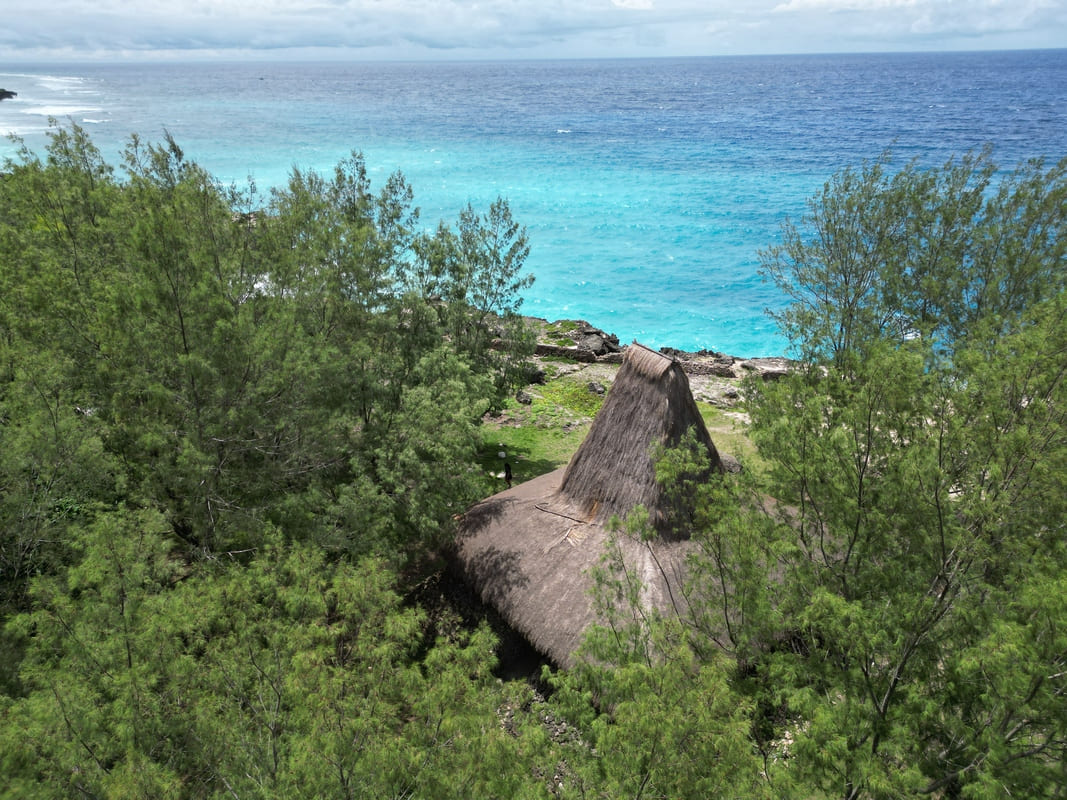
Places such as Sumba, Lombok, and Sumbawa attract attention because they offer something increasingly rare in today’s world. They provide space, natural beauty, authenticity, and a sense of discovery that is difficult to find in more established markets. For travelers, these qualities are part of the appeal. For developers, they are only the beginning of the story.
Developing property in emerging island destinations often requires a very different approach than developing in mature urban or tourism markets. The opportunities can be significant, but so are the challenges. Many of the factors that influence a project’s success are rarely discussed outside the industry, despite having a major impact on timelines, costs, and long-term outcomes.
Distance Changes Everything
One of the first realities of developing on remote islands is that almost everything has to travel further.
Materials that are readily available in major cities may need to be transported across islands. Specialized equipment often requires additional planning and logistics. Even simple construction components that can be sourced locally in established markets may involve longer lead times when working in emerging destinations.
The challenge is not simply about transportation costs, distance introduces complexity. A delayed shipment can affect multiple stages of a project. Weather conditions can influence delivery schedules. Availability of materials can fluctuate depending on local supply chains and regional demand.
For developers, this means planning further ahead and building flexibility into every stage of the process. The further a destination is from major infrastructure hubs, the more important logistics become.
Infrastructure Is Often Built Before The Development
In established destinations, much of the supporting infrastructure already exists. Roads are in place. Utilities are readily available. Internet connectivity is established. Service providers operate within a mature ecosystem.
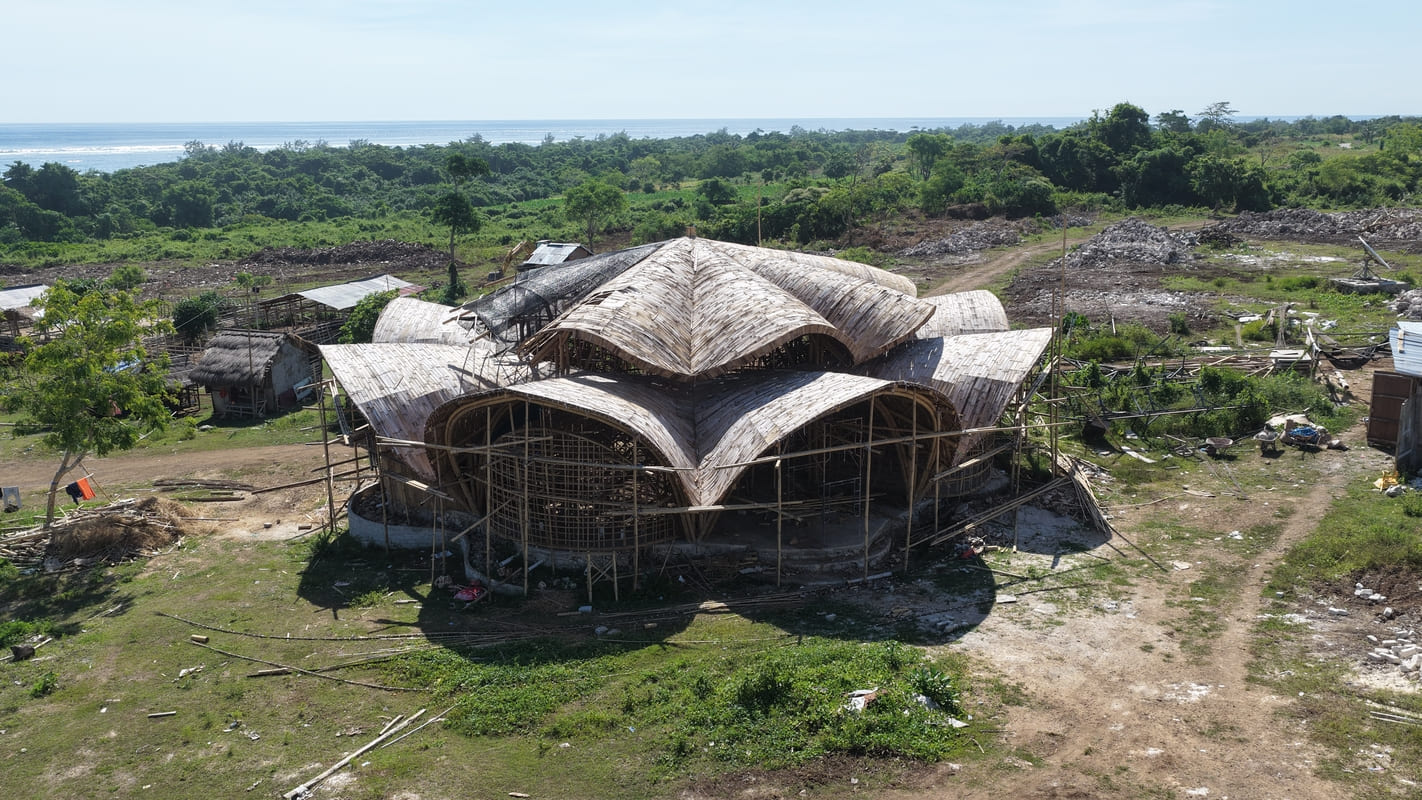
Emerging destinations often present a different picture. Before construction begins, developers may need to spend significant time evaluating access roads, utility connections, drainage systems, water management, and other supporting infrastructure. These investments rarely appear in marketing materials, yet they play a crucial role in the long-term viability of a project.
In many ways, infrastructure forms the foundation upon which future value is created. Without it, even the most beautiful location can struggle to reach its full potential.
This is one reason why investors often see strong long-term growth in destinations where infrastructure continues to improve over time. The value of a property is influenced not only by the asset itself, but by the broader ecosystem developing around it.
Building Teams In Emerging Destinations
People are often surprised to learn how much property development depends on people rather than buildings. Architects, engineers, contractors, project managers, consultants, and hospitality professionals all contribute to the success of a project.
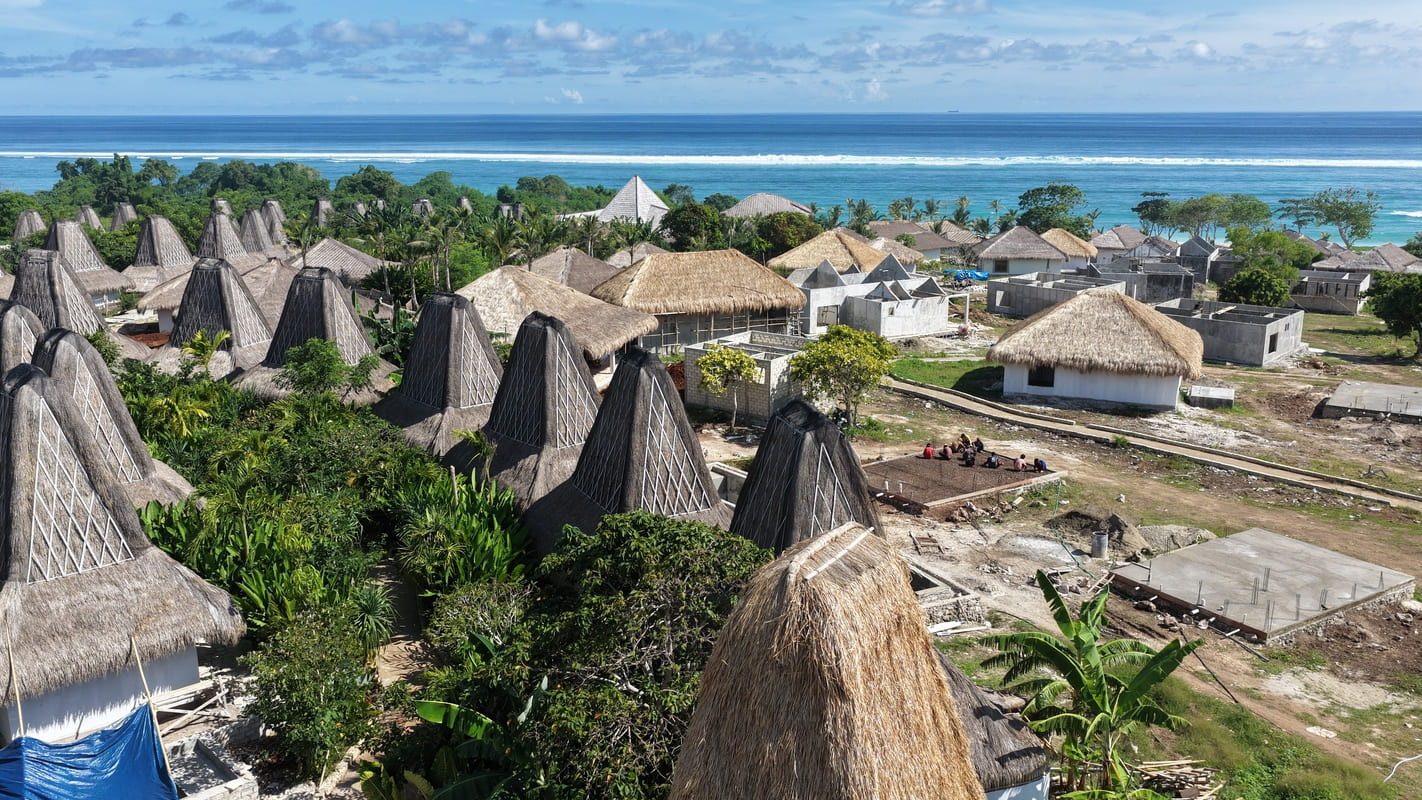
In remote destinations, assembling and coordinating these teams can require additional effort. Specialized expertise may not always be located nearby. Training programs may need to be expanded. Operational systems often need to be adapted to local conditions.
At the same time, emerging destinations create opportunities to work closely with local communities, support local employment, and develop long-term partnerships that contribute to the growth of the area. Because the strongest projects are rarely built by developers alone. They are built through collaboration between local knowledge and professional expertise.
Time Becomes A Strategic Resource
One of the biggest misconceptions about property development is that speed is always the goal. In reality, some of the most important decisions happen long before visible construction begins. Remote island developments often require more extensive planning because every decision has a greater impact downstream.
Site conditions need to be understood thoroughly. Infrastructure requirements must be carefully assessed. Logistics need to be coordinated months in advance. Design solutions must respond to local environments rather than simply replicate what works elsewhere. Taking shortcuts during these stages can create far greater costs later.
This is why experienced developers often spend significant time preparing before construction begins. While this may appear slower from the outside, it frequently leads to stronger outcomes over the life of the project.
Why The Challenge Creates Opportunity
If developing in remote destinations is more complex, it raises an obvious question.
Why do developers continue to pursue these locations?
The answer lies in what makes these destinations special in the first place. Many of today’s most sought-after tourism markets were once considered remote. They attracted attention because they offered experiences that travelers could not find elsewhere. Over time, infrastructure improved, awareness grew, and demand followed.
Emerging destinations often provide an opportunity to participate in this earlier stage of growth. They offer natural beauty, cultural authenticity, and tourism potential that have not yet been fully realized.
Of course, not every destination follows the same path. Success depends on a combination of accessibility, tourism demand, infrastructure development, responsible planning, and long-term vision. But for developers willing to navigate the additional complexity, remote destinations can offer opportunities that are increasingly difficult to find in mature markets.
Looking Beyond The Finished Product
When people visit a completed resort, villa, or hospitality destination, they rarely think about the countless decisions that made it possible. They experience the views, the architecture, the service, and the atmosphere.
What they do not see are the years of planning, coordination, infrastructure development, and problem-solving that happened beforehand. Developing property on remote islands requires patience, adaptability, and a long-term perspective. It is rarely the easiest path. Yet it is often this very complexity that helps create destinations with lasting appeal.
For investors, understanding these hidden realities provides a deeper appreciation of what goes into creating successful developments. The finished property is only the visible result of a much larger process, one that begins long before the first guest arrives or the first owner receives their keys. And in many cases, it is that unseen work that creates the foundations for long-term value.