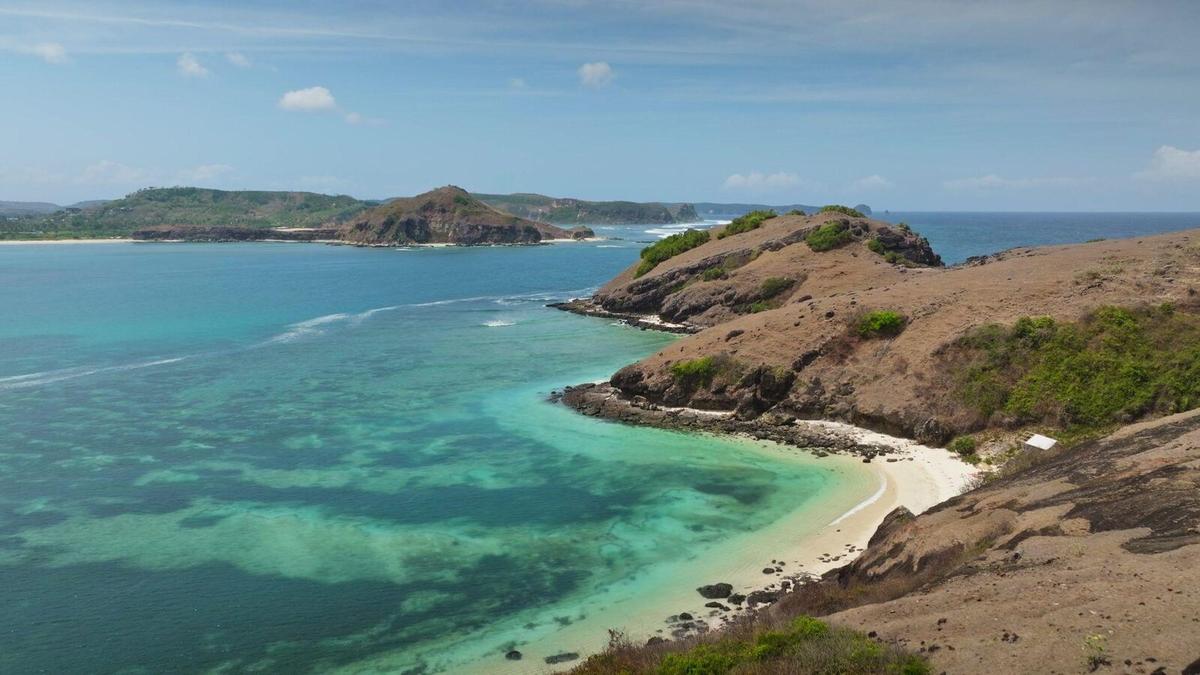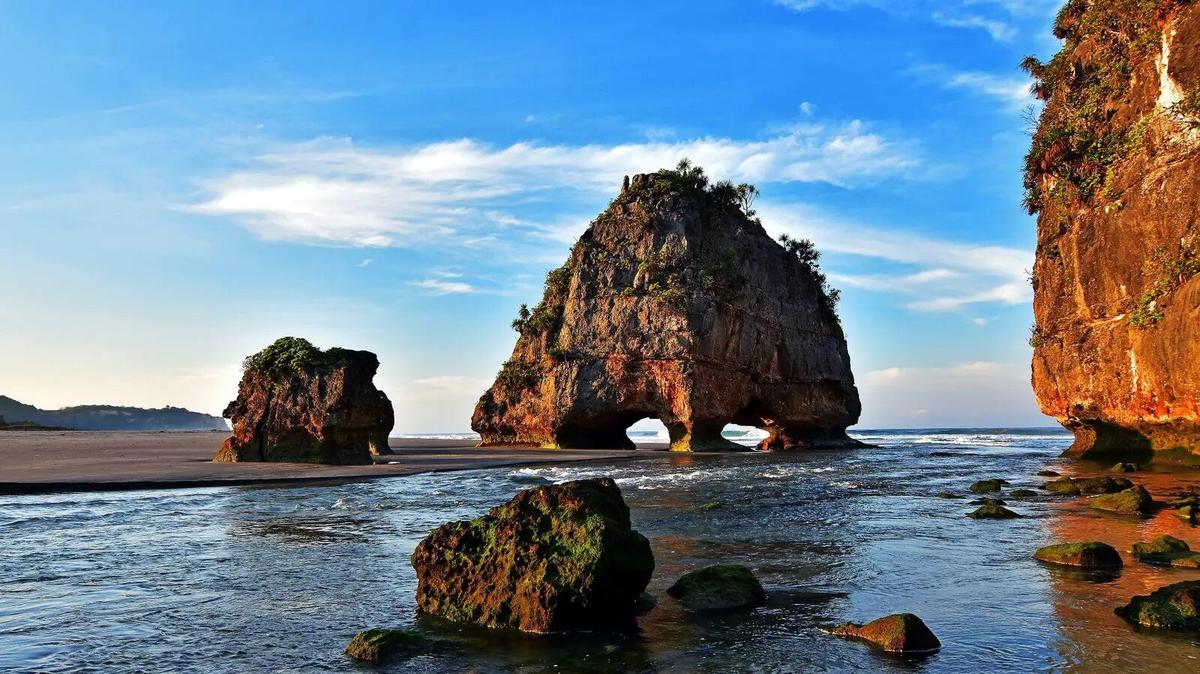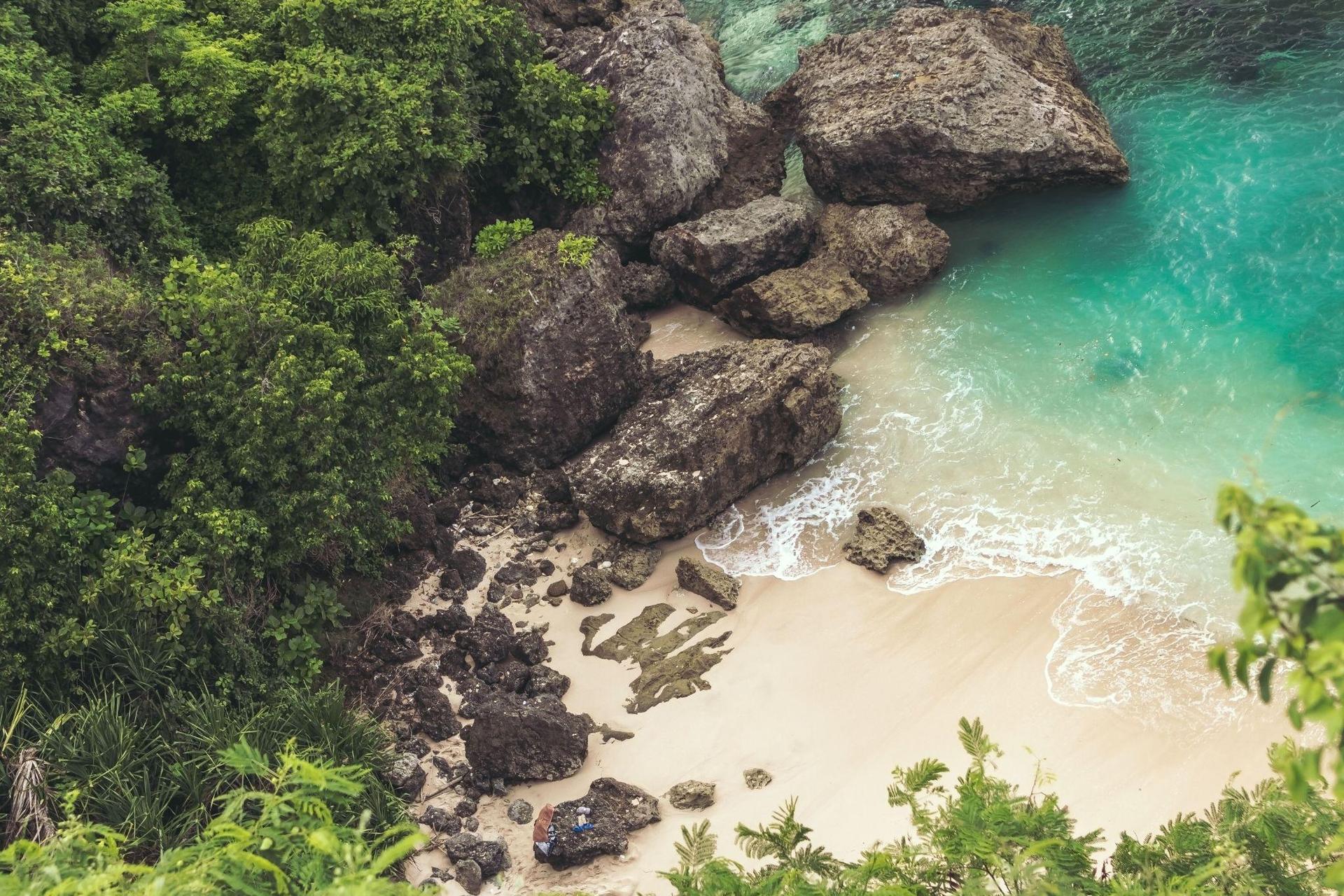
Every destination has a moment before it becomes widely recognized. Before the headlines, before the influx of visitors, and before property prices begin attracting broader attention, there is often a period where only a small number of people are paying close attention to what is happening.
For investors, developers, and hospitality operators, these early stages are often the most interesting. Not because growth is guaranteed, but because they provide an opportunity to study a destination before broader market awareness begins to shape perceptions.
When we first started exploring Sumbawa, it was not a destination that appeared regularly in investment conversations. Most discussions about Indonesian property opportunities remained focused on Bali, while Lombok was gradually establishing itself as an alternative market attracting both travelers and investors.
Sumbawa was different, it was quieter, less developed, and less understood. Yet the more time we spent researching the destination, the more we felt it deserved attention.
Looking Beyond What Exists Today
One of the biggest mistakes investors can make is evaluating a destination solely based on its current condition. The most established tourism markets often look attractive because their infrastructure, hospitality offerings, and visitor demand are already visible.
The challenge is that much of the growth that created those conditions has already occurred. Emerging destinations require a different perspective. Instead of asking what exists today, the more important question becomes “What foundations are already being built for tomorrow?”
This was one of the reasons Sumbawa stood out to us. While it remains less developed than some of Indonesia’s more mature tourism markets, the destination possesses several characteristics that have historically contributed to long-term tourism growth. Natural beauty is one of them, but it is far from the only factor.
The Advantage Of Space
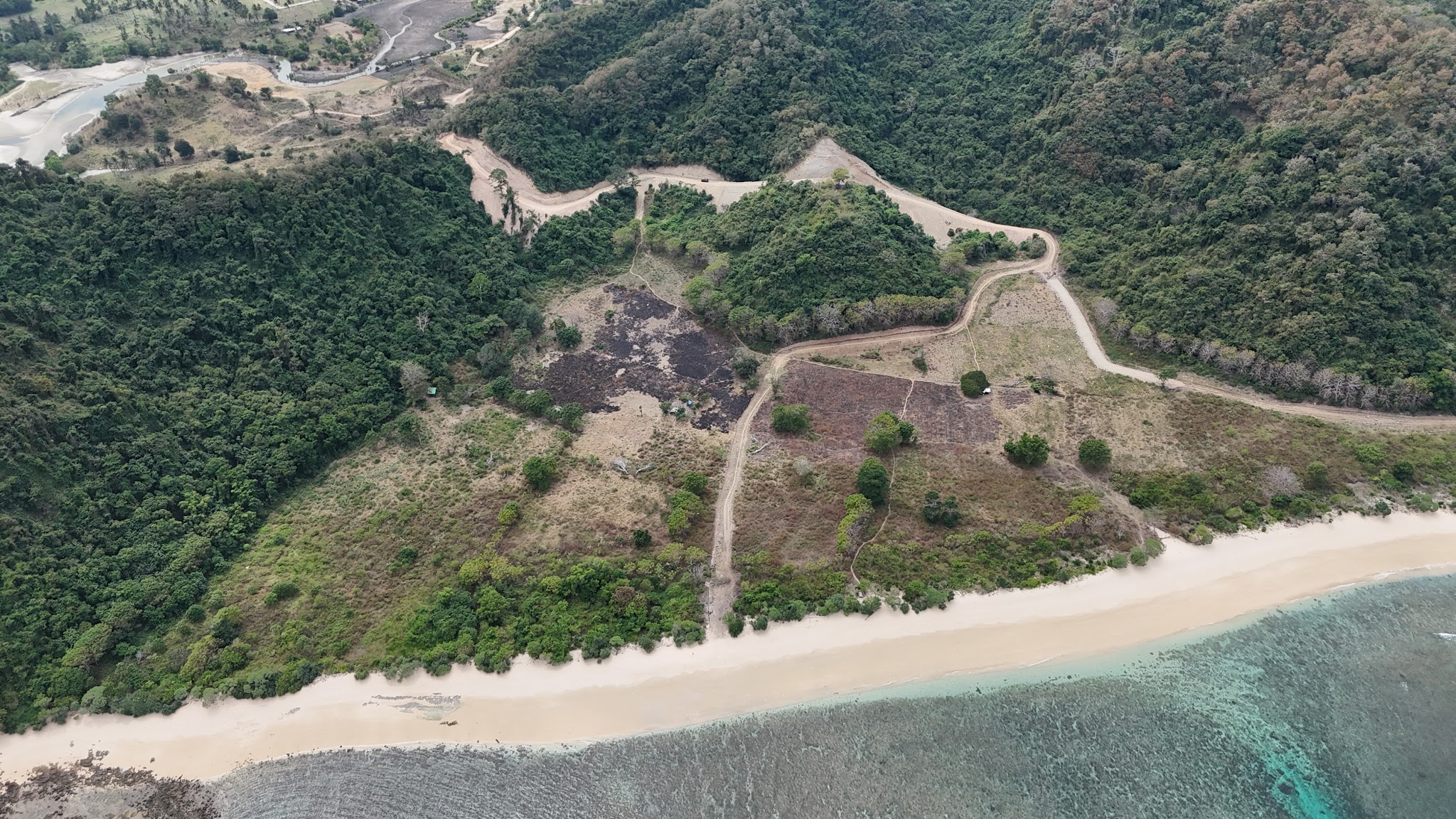
One of the first things that becomes apparent when visiting Sumbawa is the sense of space. In many established tourism destinations, finding large stretches of undeveloped coastline has become increasingly difficult. Years of growth have transformed once-quiet areas into highly competitive markets where development opportunities are limited.
Sumbawa offers a different experience, there is still room for thoughtful development. Room to create hospitality experiences that feel connected to the surrounding environment. Room to plan for the future rather than simply fitting into what already exists.
This does not automatically make a destination a good investment. However, it does create opportunities that become increasingly rare as destinations mature.
Tourism Often Starts With Experiences
Long before property investors begin paying attention to a destination, travelers usually arrive first. The destinations that experience sustainable growth are often those that offer something people genuinely want to experience.
For decades, Indonesia’s tourism industry has been supported by a combination of nature, culture, adventure, wellness, and hospitality.
Sumbawa has many of these ingredients. Its coastline, landscapes, marine environment, and outdoor lifestyle continue attracting travelers seeking experiences that feel different from more established tourism markets. Importantly, many visitors are not looking for a replacement for Bali. They are looking for something entirely different.
As global travel evolves, this desire for less crowded, experience-driven destinations continues to influence how travelers choose where to go.
The Importance Of Accessibility
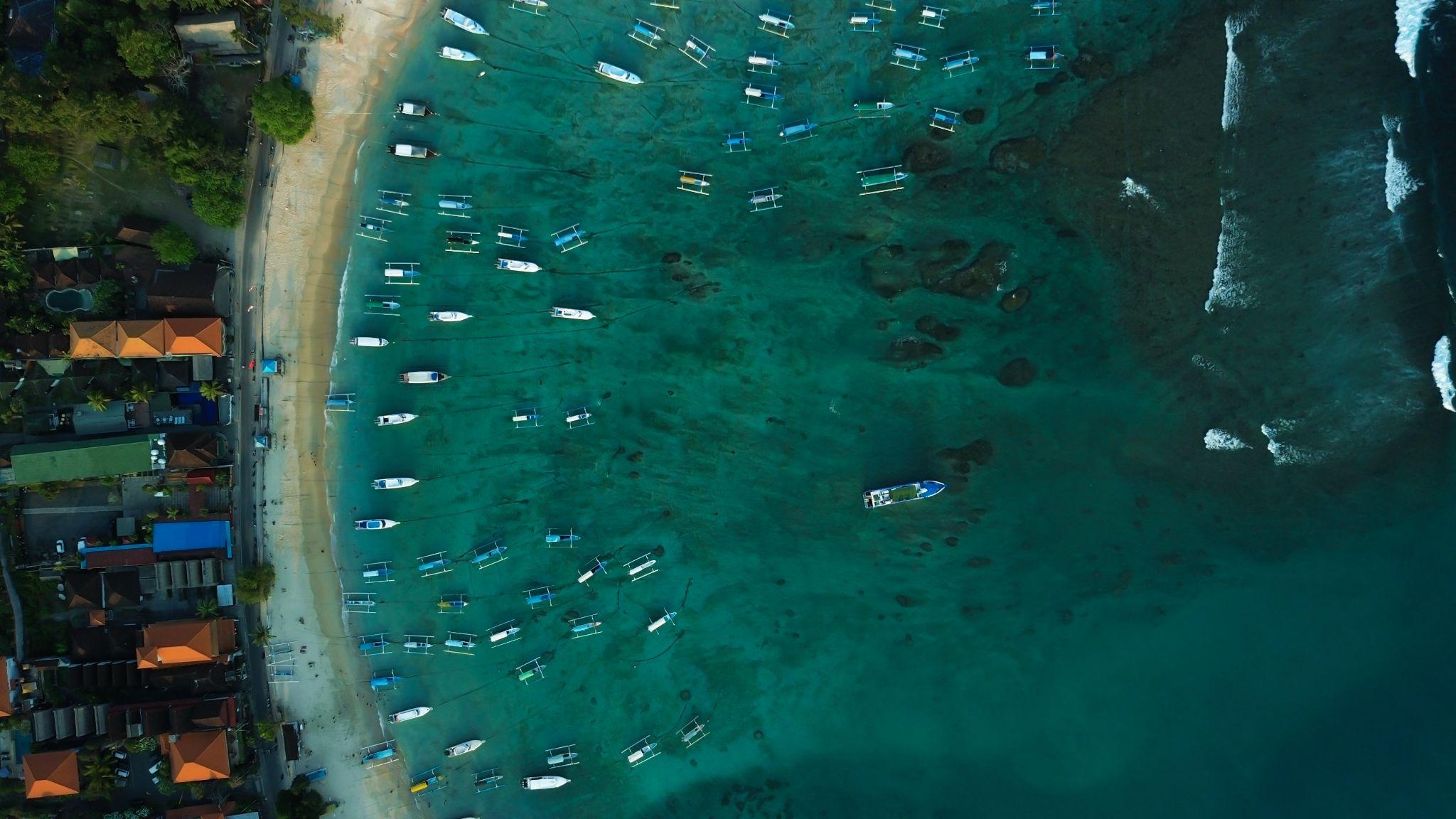
No destination can grow without access. While natural beauty may attract attention, accessibility ultimately determines how easily people can experience it. This is one of the reasons we pay close attention to infrastructure developments when evaluating locations.
Transportation networks, airport connectivity, roads, utilities, and supporting services all contribute to the long-term viability of a destination. These improvements often happen gradually. They rarely generate the same excitement as new hotels or resorts, yet they frequently have a greater influence on how a destination evolves over time.
For investors, understanding these developments provides valuable insight into whether growth is being supported by meaningful foundations.
Thinking Long-Term
One of the lessons we have learned through development and hospitality is that successful destinations are rarely built overnight. Growth takes time, infrastructure takes time, awareness takes time, reputation takes time. The destinations that create lasting value are often those that develop steadily rather than rapidly.
When we look at emerging markets, we are less interested in short-term excitement and more interested in long-term potential. We ask questions about tourism demand, accessibility, hospitality opportunities, environmental considerations, and how a destination may evolve over the next decade rather than the next year. These questions help us look beyond trends and focus on fundamentals.
Why Sumbawa Caught Our Attention
Ultimately, our interest in Sumbawa was never based on a single factor. It was the combination of elements that made the destination compelling. The natural environment, the sense of space, the tourism potential, the opportunity to participate in a destination that is still early in its development journey.
Like any emerging market, Sumbawa will continue evolving over time. No one can predict exactly how that evolution will unfold. What we can do is observe the indicators, understand the fundamentals, and make decisions based on long-term conviction rather than short-term noise.
For us, that process is exactly what made Sumbawa worth paying attention to long before it became part of mainstream investment conversations.