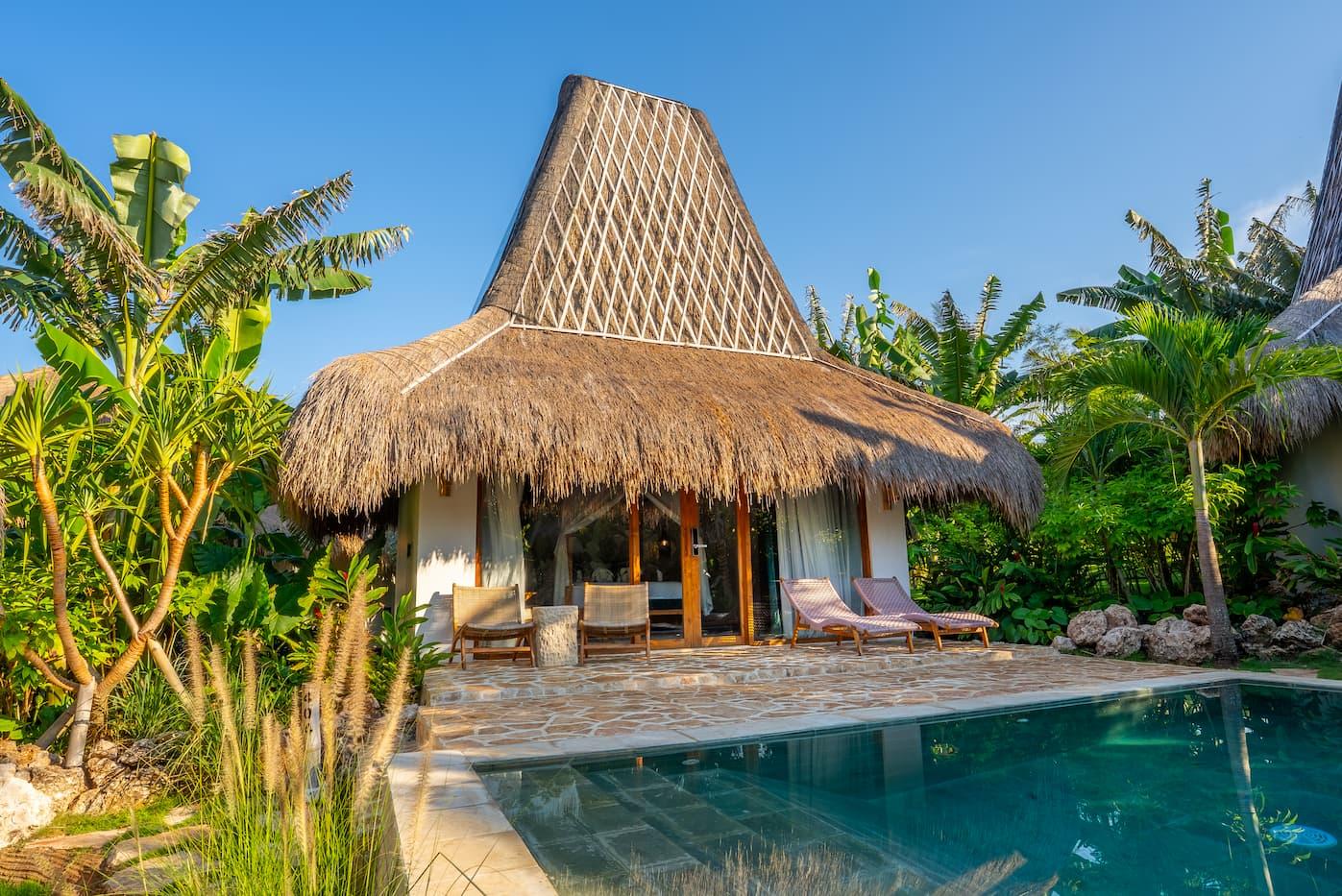
When people think about property investment, they naturally focus on the asset itself. The location, the architecture, the design, and the view. These are often the first things that capture attention and influence purchasing decisions.
Yet when looking at hospitality-focused real estate, whether villas, resorts, or branded accommodation, the property itself is only part of the equation. What ultimately determines long-term success is not simply what has been built. It is what happens after construction is complete.
A beautiful villa can attract interest. A great hospitality experience creates demand. The distinction may seem subtle, but it has a significant impact on how destinations perform, how guests experience a property, and how investments create value over time.
Property Creates The Product. Hospitality Creates The Experience.
A property is a physical asset. Hospitality is everything that happens once people arrive. It includes the welcome guests receive, the quality of service, the maintenance standards, the dining experiences, the activities available, and the countless operational details that shape how visitors remember their stay.
Two properties may offer similar locations, similar views, and similar amenities. Yet one consistently attracts guests while the other struggles to maintain occupancy. Often, the difference has very little to do with the buildings themselves. It comes down to the experience surrounding them.
Today’s travelers have more choices than ever before. They are no longer selecting destinations based solely on accommodation.
They are looking for experiences that feel seamless, memorable, and worth returning to.
 The properties that successfully deliver those experiences often outperform those that rely solely on physical features.
Guest Experience Drives Long-Term Demand
Tourism is ultimately driven by people. Visitors decide where to travel based on recommendations, reviews, social media, past experiences, and personal connections. The stronger the guest experience, the stronger the likelihood that visitors will recommend a destination to others. This creates an effect that extends far beyond a single booking.
Positive experiences contribute to reputation, reputation contributes to demand, and demand contributes to long-term value. For investors, this relationship is important because property performance is closely linked to the strength of the destination’s hospitality ecosystem.
A destination can have beautiful beaches and impressive architecture, but if guest experiences consistently fall short, demand becomes difficult to sustain. The opposite is also true. Destinations that focus on delivering exceptional experiences often build strong reputations that continue attracting visitors for years.
The Most Valuable Assets Are Often Invisible
When evaluating a hospitality-focused property, some of the most important assets cannot be photographed. Operational systems, service standards, management expertise, guest communication, marketing capabilities, and maintenance programs. These are rarely featured in brochures, yet they often play a larger role in long-term performance than many physical amenities.
A property can only operate successfully when these systems function effectively behind the scenes. This is particularly important in emerging destinations where hospitality standards continue evolving and guest expectations continue rising. The ability to consistently deliver quality experiences becomes a competitive advantage.
Over time, that advantage can influence everything from occupancy levels to guest loyalty and brand reputation.

Hospitality Strengthens Destinations
One of the reasons some tourism markets continue growing while others struggle is because hospitality helps shape the overall perception of a destination. Visitors do not separate their accommodation from their travel experience. For them, it is all connected.
The quality of their stay influences how they feel about the destination itself. When multiple hospitality operators contribute to positive guest experiences, the destination benefits collectively. This creates a stronger tourism ecosystem.
Visitors stay longer. They spend more. They recommend the destination to friends and family. Businesses gain confidence to invest. The destination becomes more resilient and attractive over time. In this way, hospitality does not simply support tourism. It actively contributes to destination development.
Looking Beyond Completion Day
For many property developments, completion represents the finish line. In hospitality-focused real estate, it is often the beginning. Once construction is complete, the focus shifts toward operations, guest satisfaction, maintenance, marketing, and continuous improvement. The real test of a property begins when people start using it.
How does it perform?
How do guests respond?
How effectively does the operation adapt to changing market conditions?
The answers to these questions influence long-term outcomes far more than the construction process itself. This is why experienced hospitality operators often view development and operations as interconnected rather than separate activities. One creates the foundation, the other creates the experience. Both are necessary for long-term success.
Thinking Beyond The Building
It is easy to evaluate a property based on what can be seen. Architecture, interiors, views, and amenities all play an important role in attracting attention. But lasting value is rarely created by physical assets alone.
The strongest hospitality investments combine great locations and thoughtful design with exceptional guest experiences, operational excellence, and a commitment to long-term destination growth.
Property may provide the foundation, but hospitality is what brings it to life. And over time, it is often hospitality that transforms a collection of buildings into a destination people genuinely want to return to.